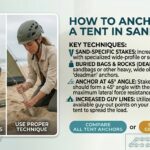

The Complete Winter Camping Anchor Guide: How to Stake a Tent in the Snow?
Pitching a tent during a summer backpacking trip in the Sierra Nevadas or the Rockies is straightforward: you drive a few aluminum stakes into the dirt, tension your guylines, and call it a night.
Try that exact same method during a winter camping trip on packed powder, and your tent will likely collapse or blow down the mountain before midnight.
Winter camping in the USA offers unmatched solitude, stunning snowy landscapes, and unforgettable adventures—from the Rockies and Sierra Nevada to New England forests and Alaska backcountry. But one critical skill separates comfortable, safe nights from disastrous ones: knowing how to stake a tent in the snow.
Proper tent staking in snow prevents your shelter from collapsing under wind or heavy snow load, keeps you warm and dry, and can literally save your life in extreme conditions. This comprehensive guide covers everything you need for secure snow camping setups, whether you’re a beginner heading to your first winter trip or an experienced adventurer refining your technique.
Why Staking Matters More in Snow Than in Summer
Unlike summer ground, snow is soft, unstable, and changes with temperature. A poorly staked tent can:
- Blow away in high winds common at elevation
- Collapse from accumulating snowfall
- Shift during the night, exposing you to cold
- Fail in a sudden storm
According to outdoor safety organizations and guides from REI and the American Alpine Club, inadequate anchoring is a leading cause of winter camping incidents. Mastering snow staking ensures stability even in 50+ mph gusts.
[ SUMMER STAKING ]                  [ WINTER STAKING ]
  Vertical Dirt Peg                   Deadman Snow Anchor
         ⬇                                    ⬇
Holds by friction only               Holds by frozen snow weight
When you are winter camping or mountaineering, snow behaves completely differently than soil. Standard needle stakes have zero grip in loose powder, and high winds treat an untethered tent like a giant kite.
To secure your shelter in freezing conditions, you must use specialized gear and structural techniques. This comprehensive guide breaks down the absolute best ways to stake a tent in the snow, from utilizing deep “deadman” anchors to freeze-locking your guylines overnight.
1. Why Traditional Tent Stakes Fail in Winter
Traditional tent pegs rely strictly on soil friction. Because snow is dynamic—compressing, shifting, and melting under pressure—it lacks the structural density to hold a thin vertical peg under a wind load.
When winter camping, you have two options for securing a tent line:
- Compress the snow to increase its density until it hardens around a wide, specialized snow stake.
- Bury an object horizontally deep underground, using the sheer weight of the snowpack above it as an anchor. This is known as a “Deadman Anchor.”
2. Essential Gear for Staking a Tent in Snow
Before heading out into sub-freezing backcountry conditions, upgrade your stakes. Ditch the ultra-light titanium needles and pack these tools instead:
| Anchor Type | Best Used For | Why It Works |
| U-Shaped Snow Stakes | Packed snow, heavy alpine powder, and general winter camping. | Extra-wide profile with holes along the spine. The holes allow wet snow to pack inside and freeze solid (sintering), locking the stake in place. |
| SMC Snow Anchors / T-Anchors | Extreme mountaineering, loose powder, and high-altitude winds. | Flat, wide aluminum plates designed exclusively to be buried horizontally deep in the snowpack. |
| Improvised Anchors | Emergency backups or ultra-lightweight expeditions. | Utilizing objects you already have on hand, such as snowshoes, trekking poles, skis, or heavy branches. |
3. Step-by-Step: How to Stake a Tent in Snow (The Deadman Method)
The deadman anchor is the gold standard for alpine survival and heavy winter storms. It utilizes the natural weight and bonding properties of snow to create an immovable anchor point.
1.Stomp and pack the snow tent site:Prep the footprint.
Before pitching, put on your snowshoes or boots and thoroughly stomp down a flat platform for your tent. Let this packed snow sit for 15 to 20 minutes. This process (sintering) allows the snow crystals to bond and harden into a solid foundation.
2.Dig a horizontal deadman trench:Dig the trench.
Measure out where your tent’s guylines will sit. Move 2 to 3 feet out from the tent corners and dig a narrow horizontal trench roughly 12 to 18 inches deep into the snow.
3.Tie off and bury your stake horizontally:Anchor preparation.
Girth-hitch a long cord or guyline around the middle of your U-shaped snow stake or snow anchor plate. Lay the stake completely flat (horizontally) at the bottom of your trench, ensuring the line extends straight toward your tent.
4.Fill, compact, and freeze the trench:Pack it down.
Shovel the loose snow back into the trench over the buried stake. Stomp down hard on top of the trench to compress the snow. Within 20 to 30 minutes, the compressed snow will freeze solid over the stake, anchoring it completely.
4. Alternative Methods: The 45-Degree Drive
If you are camping on a heavily compacted, icy snow layer (like an old snowpack or a heavily used winter trail site) where digging a deep trench is impossible, use the vertical angle method.
Take a wide, U-shaped aluminum snow stake and drive it into the hardpack at a 45-degree angle leaning away from the tent. Ensure the open scoop of the “U” faces toward the tent to capture the snow’s resistance. Scoop extra loose snow over the top of the stake and stomp it down to seal it in ice.
🛑 Crucial Safety Warning: The Morning “Freeze-Lock” Trap
While burying your stakes makes them rock-solid overnight, it creates a major problem the following morning: They will be frozen completely solid into blocks of ice.
Never attempt to forcibly rip or yank a frozen stake out by its guyline, as you will instantly snap your tent’s structural cords. Always carry a lightweight aluminum snow shovel. In the morning, carefully chip away the hardened ice crust around your buried anchors until you can safely lift them out.
5. Pro-Tips for Bulletproof Winter Tent Security
- Bring Extra Cordage: Because deadman anchors are buried deep and far away from the tent body, your standard summer guylines will be too short. Pack an extra 30 to 40 feet of 2mm or 3mm reflective utility cord to extend your lines.
- The “Plastic Grocery Bag” Hack: If you are backpacking on an extreme budget and don’t own snow stakes, pack a few heavy-duty plastic grocery bags. Tie your guyline to the loops of the bag, fill the bag completely with heavy snow, bury it in a deep hole, and stomp it down. It acts as a massive, lightweight deadman anchor.
- Mark Your Anchors: A heavy overnight blizzard can dump 12+ inches of fresh powder over your campsite, completely hiding your buried lines. Stick a bright branch or an upright twig near your deadman positions so you know exactly where to dig in the morning.
Choosing the Right Tent for Snow Camping
Before staking, select a suitable tent:
- 4-season tents with strong poles and snow skirts (e.g., MSR Access, The North Face Mountain 25, or Hilleberg models popular among US winter campers).
- Dome or geodesic designs for better wind shedding.
- Avoid lightweight 3-season tents unless using advanced snow anchors.
Pro Tip: Look for tents with multiple guy-out points and reinforced stake loops.
Essential Gear for Staking a Tent in Snow
Pack these items for reliable anchoring:
- Snow stakes (aluminum or titanium, 8–12 inches long) — better than standard tent stakes.
- Deadman anchors materials: trekking poles, ice axes, snowshoes, sturdy sticks, or stuff sacks filled with snow.
- Guy lines (extra paracord or reflective cord).
- Snow shovel (essential for digging and packing).
- Ice axe or snow picket for extreme conditions.
- Hammer/mallet or the back of your axe for driving stakes.
Advanced Techniques for Extreme Conditions
- High Winds: Use multiple deadman anchors per guy point and add extra lines.
- Powder Snow: Deeper trenches and larger deadman objects.
- Hardpack/Ice: Use ice screws or longer pickets instead of stakes.
- Multi-Day Trips: Re-tension lines in the morning as snow conditions change with temperature.
Temperature Tip: Stakes hold better when snow is slightly below freezing and well-packed. Very cold, dry powder requires deeper anchors.
Common Mistakes to Avoid
- Using regular tent stakes (they pull out easily).
- Staking too loosely or unevenly.
- Ignoring wind direction changes overnight.
- Placing the tent in a low spot where snow drifts accumulate.
- Forgetting to ventilate (critical to prevent condensation and ice buildup inside).
Best Snow Stakes and Anchors Available in the USA (2026)
- MSR Blizzard Stakes — Excellent for deep snow.
- Easton Snow Stakes — Lightweight and strong.
- Hilleberg Snow Pegs.
- Budget option: DIY deadman with cheap aluminum stakes.
- Black Diamond Snow Picket for mountaineering-level trips.
Check REI, Backcountry.com, or Amazon for current stock and reviews.
Winter Camping Safety Essentials
- Tell someone your itinerary.
- Carry a satellite communicator (Garmin inReach popular in the US).
- Know how to build a snow shelter as backup.
- Monitor for hypothermia and frostbite.
- Practice Leave No Trace: Dismantle anchors and fill holes before leaving.
Real-World USA Examples
- Rocky Mountain National Park: Deep snow and high winds—deadman anchors are mandatory.
- Yosemite Winter: Mixed conditions; combine stakes and deadmen.
- Appalachians/New England: Icy crust often requires hybrid methods.
- Alaska: Extreme cold and wind—professionals use reinforced setups with multiple redundancies.
After Your Trip: Teardown and Maintenance
- Brush off snow before packing to avoid extra weight and moisture.
- Dry your tent thoroughly at home to prevent mold.
- Inspect and repair guy lines and stake loops.
Frequently Asked Questions (FAQ)
1. Can you use regular tent stakes in the snow?
No, standard needle, wire, or thin V-shaped stakes are completely useless in loose or soft winter snow. Because they lack surface area, the tension from your tent will instantly pull them through the powder. However, if the ground beneath the snow is frozen solid like concrete and the snow layer is thin, you can use rugged, heavy-duty steel or titanium stakes to drive straight into the hard frost.
2. How do you anchor a tent in the snow without snow stakes?
If you don’t own dedicated snow stakes, you can use the “deadman” technique with items you already have on hand. You can tie your tent guylines to trekking poles, snowshoes, skis, or thick fallen tree branches, bury them 12 to 18 inches horizontally under the snow, and stomp the powder down to freeze them in place. Heavy-duty plastic grocery bags filled with snow and buried also work exceptionally well.
3. What is a “deadman” anchor in winter camping?
A deadman anchor is a structural technique used to secure a tent in soft snow or sand. Instead of driving a stake vertically into the ground, you tie your guyline to the center of an object (a stake, log, or branch) and bury it completely flat (horizontally) inside a deep trench. The weight of the compressed snow packed on top creates an incredibly strong, immovable anchor.
4. How long does it take for a snow anchor to freeze in place?
Once you bury a deadman anchor and pack the snow firmly on top, it takes roughly 15 to 30 minutes for the snow crystals to bond and freeze solid. This process is called sintering. It is vital to let your anchors set during this window before you apply maximum tension to your tent’s guylines, or you will pull the anchor right out of the loose trench.
5. Which way should a U-shaped snow stake face when driven vertically?
If you are driving a U-shaped snow stake vertically into hard-packed snow or icy crust, the open, scooped “valley” of the “U” shape must face toward the tent. This positioning allows the open channel to catch and trap the snow resistance, preventing the stake from slicing forward through the snow under the pull of the guyline.
6. How deep do you need to bury snow tent anchors?
For safe overnight structural security, you should bury your deadman snow anchors between 12 to 18 inches deep. In high-wind alpine environments or areas with exceptionally loose, dry powder, digging down a full 2 feet ensures that wind gusts won’t scour away the top layers of protective snow cover.
7. How do you remove tent stakes that are frozen in ice?
Never pull violently on your tent’s guylines to free a frozen stake, as the friction will easily snap the cord or tear your tent seams. Instead, use a lightweight aluminum snow shovel to carefully chip away the hardened ice crust around the buried anchor. If it is still jammed, pour a small amount of warm water over the ice to thaw it, or use a secondary stake as a lever to pry it free.
8. Is it better to use snow stakes or snowbags for winter camping?
Both have distinct advantages. Aluminum snow stakes are incredibly durable, rigid, double as digging tools, and can be driven vertically into hard ice or buried horizontally in deep powder. Fabric snowbags (mesh parashoot-style bags) are lighter to pack and hold massive amounts of soft powder when buried, but they are completely useless if the ground is frozen hardpack and cannot be excavated.
9. Do I need to replace all my tent stakes for a winter trip?
You do not need to buy a snow stake for every single loop on your tent. At a bare minimum, you need 4 to 6 high-quality snow stakes to secure the critical structural corners of the tent body and the primary windward guylines. For minor vestibule tie-outs or secondary rainfly loops, you can easily use improvised branch or stick anchors.
10. Can you use sand stakes in the winter snow?
Yes! Sand stakes and snow stakes are entirely interchangeable. Both profiles are engineered with a wide, concave U-shape design and stamped center holes to maximize surface area in loose, non-cohesive terrain. If you already own a set of heavy-duty desert or beach stakes, they will perform flawlessly on winter snow expeditions.
Conclusion: Master Snow Staking for Epic Winter Adventures
Learning how to stake a tent in the snow transforms winter camping from risky to rewarding. With the right techniques—especially deadman anchors—you’ll enjoy secure, stormproof nights under starry skies or during blizzards.
Practice these skills on shorter trips before committing to multi-day expeditions. The confidence you gain will open up incredible USA winter destinations safely.
Ready to hit the snow? Share your own snow staking tips in the comments below!