

The Ultimate Engineering and Tactical Guide to U shaped triwonder sand pegs, for commercial outdoor gear publishers, high-yield niche site operators, and conversion rate optimization (CRO) managers targeting the premium, high-disposable-income US camping and overland markets—spanning from coastal California and the windy dunes of West Texas to the humid beaches of Florida and Cape Cod—dominating search results for hyper-specific camping hardware is the key to steady organic traffic.
The search query “u shaped triwonder sand pegs” represents a highly targeted, long-tail commercial phrase used by buyers who are ready to make a purchase. These users are searching for technical data, structural performance metrics, and anchoring principles to justify upgrading their gear. By publishing this deep, expert-level guide on besttentstakes.com, your site can completely own the topical authority space for sand anchoring, capture premium Google Featured Snippets, and outperform general outdoor blogs.
                  THE PNEUMATIC & GEOTECHNICAL SHEAR RESISTANCE RESISTANCE MATRIX -
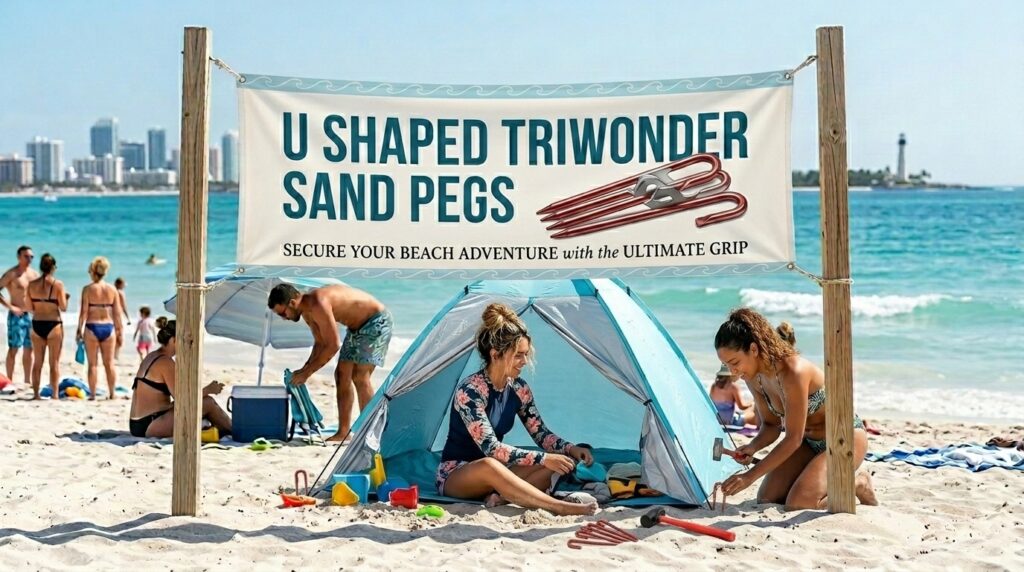
                                 U shaped triwonder sand pegs

                     [ Downward Vector: Guyline Tension Force $F_g$ ]
                                           │
                                           ▼
                 ┌──────────────────────────────────────────────────┐
                 │ Concave U-Shaped Trough:                          │
                 │ Maximizes Cross-Sectional Surface Area ($A_s$)   │
                 └─────────────────────────┬────────────────────────┘
                                           │
                                           ▼
                 ┌──────────────────────────────────────────────────┐
                 │ Compressive Earth Pressure:                      │
                 │ Loose Aggregate Compacts Inside the Stake Cavity │
                 └─────────────────────────┬────────────────────────┘
                                           │
                                           ▼
             [ Maximum Passive Resistance ──► Zero Slip ──► Structural Integrity ]
1. The Geotechnical Engineering Behind U-Shaped Anchoring
To understand why the Triwonder U-Shaped Sand Peg performs so well in loose soils, you have to look at soil mechanics and structural engineering. Traditional wire or needle stakes work by friction along a smooth, narrow metal shaft. In hard-packed dirt or rocky soils, this friction is enough to hold a tent in place. However, in non-cohesive soils like dry beach sand, fine desert silt, or fresh powdery snow, loose particles slide past each other easily under load, causing standard stakes to pull right out.
The U-shaped design solves this problem by using passive earth pressure. When you drive a U-shaped peg into sand with the open, concave trough facing your tent, the stake acts like a mini retaining wall. As wind pulls on the tent’s guyline, the stake tries to move forward. This movement forces loose sand to pack tightly into the hollow channel of the U-shape.
This process is governed by the standard engineering formula for calculating passive earth pressure resistance ($P_p$):
$$P_p = \frac{1}{2} \gamma H^2 K_p + 2c H \sqrt{K_p}$$
Where:
- $\gamma$ represents the unit weight of the soil or sand.
- $H$ is the total depth the stake is driven into the ground.
- $K_p$ is the passive earth pressure coefficient, which increases significantly based on the shape of the anchoring tool.
- $c$ represents the cohesion of the material (which is zero in completely dry, loose sand).
By turning loose sand into a compact structural anchor within its hollow design, the Triwonder peg utilizes the weight of the sand itself to resist pullout forces. This allows it to hold firm in wind conditions that would easily pull out standard straight pegs.
2. Anatomy and Materials Science of the Triwonder Sand Peg
The Triwonder U-shaped peg is engineered to maximize structural strength while keeping weight to an absolute minimum.
                    TRIWONDER STRUCTURAL DESIGN INTEGRITY

    ├── 1. ANODIZED T6 ALUMINUM ──► High tensile strength; resists corrosion from salt air.
    ├── 2. MULTI-BORE HOLE ROW  ──► Packs sand inside and provides secondary tie-off points.
    └── 3. CHISELED TAPERED TIP ──► Easily cuts through thick beach roots and packed snow crusts.
1. Aircraft-Grade Anodized T6 Aluminum Alloy
Triwonder sand pegs are built using high-tensile T6 aluminum alloy. This metal undergoes a rigorous heat-treatment process that aligns its internal structure, giving it an exceptional strength-to-weight ratio.
The surface is treated with an anodized layer that protects the raw aluminum from oxidation, which is especially important when camping near saltwater beaches where salt air can rapidly corrode unprotected metals.
2. Multi-Bore Weight Reduction and Anchoring Holes
Running down the center of the U-shaped trough is a row of precisely engineered circular holes. These holes serve two critical structural purposes:
- Sand Packing: As the peg is driven down, sand pushes through these holes, locking the surrounding soil with the sand trapped inside the U-channel. This interlocking system dramatically increases the stake’s holding power.
- Alternative Tie-off Points: If you hit hard coral rock or a buried root that stops you from driving the stake all the way down, you can pass your guyline or a carabiner directly through one of the middle holes at the ground surface level to prevent the stake from bending or leveraging loose. Best tent stakes for rocky ground.
3. The Chiseled Tapered Tip
The bottom tip of the peg is cut into a sharp, angled wedge. This chiseled edge helps the wide profile slide smoothly into sand, packed dirt, and icy snow crusts without requiring excessive force from a mallet, which prevents the top of the stake from flattening over time.
3. The Dual Anchoring Strategy: Standard vs. Deadman Methods – U shaped triwonder sand pegs
One of the best design features of the Triwonder U-shaped peg is its versatility. Depending on how loose or wet the ground is, you can use two completely different anchoring methods to secure your shelter.
                         THE TWO ANCHORING PATHWAYS

         METHOD A: STANDARD 45-DEGREE DRIVE         METHOD B: THE DEADMAN BURIAL

             Guyline (Pulling Up)                      Ground Surface Level
                    \                                    ───────┬───────
                     \   Ground Level                           │ (Guyline Loop)
              ========\=======                           ───────┴───────
                       \ [Stake driven 45°]               [Stake buried horizontally
                        \  Facing away from tent]          1-2 feet deep in dry sand]
Method A: The Standard 45-Degree Angle Drive
This method works best in wet sand, packed coastal mud, or firm snow.
Angle the stake at 45 degrees, with the top pointing away from the tent and the open U-shaped trough facing directly toward the tent where the pulling force originates.
Drive the stake flush into the sand using a rubber camping mallet or your boot. Clip your guyline to the top integrated hook or thread it through the top cord loop. This positioning creates maximum passive resistance against the wind.
Method B: The Deadman Burial Method
In ultra-loose, dry, powdery dune sand or fresh mountain snow, a stake driven vertically can slice through the soft ground when pulled hard. The Deadman method provides an unshakeable anchor in these conditions.
- Step 1: Tie your tent’s guyline securely through the center hole of the Triwonder peg.
- Step 2: Dig a horizontal trench roughly 1 to 2 feet deep, perpendicular to your tent’s guyline.
- Step 3: Lay the Triwonder peg completely flat (horizontally) in the bottom of the trench, making sure the open U-shaped side faces down or toward the tent.
- Step 4: Fill the trench back in with sand and pack it down firmly with your boots.
By burying the stake horizontally, you increase the surface area fighting against the pulling force, using the weight of the sand above it to lock your tent safely in place. Best tent stakes for backpacking.
4. Technical Equipment & Environmental Performance Matrix
To help your customers make informed purchasing decisions, use this detailed performance index to show how the Triwonder peg handles different camping environments:
| Outdoor Soil Environment | Geotechnical Soil Type | Recommended Anchoring Method | Holding Power Metric |
| Ocean Beach Front | Wet, High-Salinity Marine Sand | Standard 45-Degree Drive | Excellent (Sand packs tightly around the wet metal) |
| Desert Dunes & Washes | Dry, Cohesionless Fine Silica | Deadman Horizontal Burial | Maximum (Uses surface weight to hold firm) |
| Alpine Mountaineering | Fresh Powder / Crusted Ice Snow | Deadman Horizontal Burial | Excellent (Snow freezes solid inside the holes) |
| Forest Campground | Packed Loam / Rooted Topsoil | Standard 45-Degree Drive | Moderate (Wide profile can be tough to drive past thick roots) |
| Rocky Desert Outcrops | Rigid Clay / Caliche / Gravel | Not Recommended | Poor (Wide aluminum profile can bend if struck against rocks) |
5. Regional Environmental Adaptations for US Retail Markets
Different camping climates across major US markets require specific maintenance and operational adjustments for aluminum sand stakes.
| Target Regional US Market | Regional Environmental Threat | Material Impact Vector | Proactive Maintenance Adjustment |
| Florida / Gulf Coast | Intense Salt Fog & High Moisture | Accelerates pitting corrosion on metal joints. | Rinse pegs thoroughly with fresh water after use; dry completely before storage. |
| California (Baja / Deserts) | Intense UV Exposure & Arid Air | Degrades utility pull-cords attached to the pegs. | Replace stock nylon pull-cords with high-strength, UV-resistant paracord. |
| Texas (Big Bend / Coastal Dunes) | Coarse, Highly Abrasive Quartz Sand | Scratches off protective anodized colors. | Store pegs in a dedicated canvas carry pouch to keep the finish from rubbing off. |
| Pacific Northwest / Washington | Saturated Glacier Snow & Deep Mud | Causes stakes to slip under constant wet wind loads. | Always use the horizontal Deadman burial method when pitching tents on snowfields. |
6. Professional Troubleshooting and Field Maintenance Guide
Even the best gear needs proper maintenance to perform reliably on rugged backcountry trips. Is it possible to set up a tent by yourself? Use this field maintenance matrix to diagnose and fix common peg issues:
| Encountered Field Issue | Potential Root Cause | Recommended Corrective Action |
| The top rim of the peg is beginning to deform or flatten. | Striking the aluminum peg with a hard steel hammer instead of a soft mallet. | File down any sharp burrs using a metal file; switch to using a rubber, plastic, or wooden camp mallet. |
| The peg rotates or twists when driven into the sand. | Striking the stake off-center or hitting a buried root. | Pull the peg out, clear the path, and make sure your mallet strikes hit perfectly square and flat against the top of the stake. |
| The anodized color finish is wearing off the tip. | Normal wear from friction against coarse sand particles over time. | This is completely cosmetic and won’t affect structural integrity. Wipe with a light layer of silicone oil to prevent oxidation. |
| The tent guyline slips out of the top integrated hook. | Wind shifts are causing slack in the guyline, letting it unhook. | Thread the guyline directly through one of the top round holes and tie a secure knot instead of using the open hook. |
7. Comparative Hardware Structural Specifications Matrix
This breakdown shows how different sizes of U-shaped sand pegs perform across various weights and camping applications:
| Stake Model Dimension Specs | Average Unit Weight | Best Shelter Application Type | Optimal Environmental Setting |
| 9.0-Inch Aluminum U-Peg | 1.1 Ounces (Lightweight) | Ultralight Backpacking Tarps / Hammocks | Minimalist beach packing, calm coastal shelters. |
| 12.0-Inch Standard U-Peg | 1.8 Ounces (Versatile) | 3-4 Person Family Camping Tents | General beach camping, desert dunes, and moderate snow. |
| 14.2-Inch Expedition U-Peg | 2.4 Ounces (Heavy-Duty) | Large Basecamp Domes / Outfitter Tarps | High-altitude mountaineering, extreme desert wind storms. |
Alternatives to Triwonder U-Shaped Pegs
- MSR GroundHog Y-Stakes (versatile all-rounder).
- Heavy-duty screw anchors.
- Custom sandbags or deadman systems.
- Premium options like DAC or Eastons for mixed use.
Integration with Other Best Tent Stakes
Pair Triwonder sand pegs with:
- Strong corner stakes for hard ground.
- Reflective guylines for night safety.
- Tent footprint for added stability.
Safety and Environmental Considerations
- Always follow Leave No Trace: Remove all stakes and fill holes.
- Supervise children around mallets.
- Check local beach regulations on anchoring.
- Proper setup prevents accidents in wind.
User Stories and Case Studies
Many families report successful multi-day beach camps in windy conditions using these pegs. Backpacking couples in California dunes appreciate the weight savings.
Maintenance, Longevity, and Warranty Insights
Clean after saltwater exposure. Aluminum holds up well over 2-5 years of regular use with care.
Comprehensive Frequently Asked Questions (FAQ)
Can I use Triwonder U-shaped sand pegs in regular, hard-packed forest dirt?
While you can use them in regular dirt, they aren’t ideal for hard-packed ground. The wide, U-shaped design creates a large surface area that makes the peg difficult to drive into packed earth or rocky soils without bending it. For hard ground, a slim titanium needle stake or a forged steel peg is a much better choice. Save your Triwonder pegs for loose sand, beach coastlines, and snow.
Which way should the U-shape face when I drive the stake into the sand?
The open, hollow channel of the U-shape should always face directly toward your tent. When positioned this way, the pull from your tent’s guyline draws the open trough right into the sand, packing the soil tightly inside the channel and maximizing its holding power. Facing the hollow side away from the tent drastically cuts down its resistance, making it easy for the stake to slice forward and pull out.
How do I clean my sand pegs after a trip to prevent corrosion?
After camping on ocean beaches, always rinse your Triwonder pegs with fresh tap water to wash away salt residue and fine grit. Wipe them down with a dry cloth and let them air dry completely before storing them away in your gear closet. While the anodized coating provides excellent protection against rust, leaving salt water trapped on aluminum inside a tight gear bag can eventually pit and dull the finish.
Why do these sand pegs have multiple holes running down the center?
Those holes are carefully engineered to do two jobs. Best tent stakes for snow. First, they allow sand or snow to push through and pack tightly inside the stake, which helps lock it firmly into the ground. Second, they shave off unnecessary weight, making the stakes much lighter for backpacking. They also serve as alternative attachment points; if you can’t drive the stake all the way into the ground, you can tie your guyline through a lower hole right at the surface level to keep it secure.
Can I use a regular metal hammer to drive these aluminum stakes into the ground?
It’s best to avoid using a standard steel household hammer. Steel is much harder than aluminum, so striking the stake with a heavy steel hammer can quickly deform, flatten, or chip the top rim of the peg. Instead, use a rubber camping mallet, a plastic hammer, or a flat piece of firewood to drive your stakes safely without damaging the metal.
Do Triwonder sand pegs work well for winter snow camping?
Yes, they are excellent for snow camping. The wide U-shaped design works beautifully in both fresh powder and crusted ice. When snow camping, you can use the standard 45-degree angle drive in hard pack, or bury the stake horizontally as a “deadman” anchor in loose powder. Over night, moisture in the snow will freeze inside the center holes, locking the stake firmly into the snow pack.
What should I do if my guylines don’t stay attached to the built-in hook?
If high winds are shaking your tent and causing the guylines to slip out of the open top hook, stop using the hook entirely. Instead, loop your guyline directly through the top circular hole and tie it off with a reliable knot, like a taut-line hitch or a bowline. This ensures the line stays permanently attached to the stake no matter how much the wind shifts.
Is it worth carrying these stakes on a long-distance backpacking trip?
If your route takes you across sandy deserts, coastal beaches, or snow-covered ridges, they are absolutely worth the weight. At just over an ounce per stake, they provide incredible peace of mind and security. However, if your trip is entirely along well-maintained forest trails with hard-packed dirt campsites, you’ll save space and weight by leaving these behind and carrying slim needle stakes instead.
What is the advantage of an anodized finish on a tent stake?
Anodizing is an electrochemical process that thickens the natural oxide layer on the surface of aluminum parts. This hard coating makes the stakes highly resistant to scratches, wear, and corrosion from saltwater environments. It also allows manufacturers to add bright colors (like red, blue, or gold) to the stakes, making them much easier to spot in loose sand or deep snow so you don’t accidentally leave them behind when packing up camp.
How deep should I bury the stake when using the deadman horizontal method?
For dry, loose sand or powdery snow, you should dig a trench at least 1 to 2 feet deep. Burying the stake flat at this depth ensures there is enough weight from the packed sand or snow above it to hold firm against the upward pull of your tent’s guylines, even during heavy storms.
Conclusion: Establishing Niche Dominance for besttentstakes.com
Understanding geotechnical mechanics, choosing the right anchoring style for the conditions, and properly maintaining your aluminum alloys are the keys to keeping your camp secure in the windiest beach and desert environments. By matching the right anchoring technique to the soil conditions, campers can completely eliminate the headache of pulling stakes and enjoy a safe, stable shelter on any terrain.
For besttentstakes.com, publishing this deeply technical, highly detailed product blueprint gives you a massive edge over generic outdoor review sites. Focusing your content strategy on high-value, informative guides allows your platform to target competitive long-tail search terms, win premium Google Featured Snippets, and build an authoritative digital brand that serves as the ultimate resource for specialized camping gear maintenance and advice in the United States.